Queen Creek, AZ · Serving ZIP 85142 & 85140 Open 24/7 · (480) 741-9332
Water Softener Buying Guide for Queen Creek, AZ
The Direct Answer

Water Softener Buying Guide for Queen Creek, AZ

The single most important factor in buying a water softener here is sizing it to Queen Creek's actual water hardness, 20 to 30 grains per gallon, rather than a generic calculator built around a milder national average. A softener sized for typical hardness will regenerate too infrequently for water this hard and let hardness through between cycles, defeating much of the purpose.

Sizing It Correctly

Why Generic Sizing Fails Here

Hardness LevelWQA ClassificationQueen Creek Fits Here
0-3.5 GPGSoft 
3.5-7 GPGModerately hard 
7-10.5 GPGHard 
10.5+ GPGVery hardYes, at 20-30 GPG

Queen Creek's groundwater sits well above the "very hard" threshold, roughly double to triple it, according to the Water Quality Association's hardness classification, which is exactly why national-average sizing tools consistently undersize a system here.

What Undersizing Actually Costs You

An undersized softener doesn't fail all at once; it quietly lets hardness through between regeneration cycles, which means you're paying for a system that isn't fully doing its job. Scale buildup continues, just more slowly than without any softener at all. That can mask the problem for a while before it shows up again as a water heater popping or a faucet losing flow, the exact symptoms a correctly sized system is meant to prevent.

This is why the sizing conversation matters more than brand or feature comparisons for most Queen Creek households. A well-known brand sized wrong for this water still underperforms; a correctly sized system, even a simpler one, actually solves the problem.

Salt-Based Vs. Salt-Free, Honestly

Salt-based ion-exchange softeners physically remove calcium and magnesium from your water, which is what actually prevents scale from forming in the first place. Salt-free systems, often marketed as "conditioners" or "descalers," change how minerals behave in water without removing them, which can reduce some visible scale but leaves the hardness itself present in every gallon your plumbing handles. At Queen Creek's hardness levels, most households see a real, noticeable difference choosing true softening over conditioning, which is why we're upfront about that difference rather than defaulting to whichever system happens to be easier to sell.

Weighing your options? Call (480) 741-9332 for an honest comparison.

Maintenance You Should Actually Expect

A salt-based softener needs its brine tank refilled periodically, how often depends on household water usage and the specific system's capacity, and most run through a regeneration cycle automatically on a schedule or based on actual usage tracked by the unit. Beyond salt refills, an annual check of the resin bed and valve is worth scheduling, similar to how a water heater benefits from periodic attention rather than being left entirely alone between installation and eventual failure.

None of this is high-maintenance in absolute terms, but it is real, ongoing maintenance, not a install-it-and-forget-it appliance, and knowing that upfront avoids a surprise a few months into ownership.

Whole-Home Softening Plus Filtration

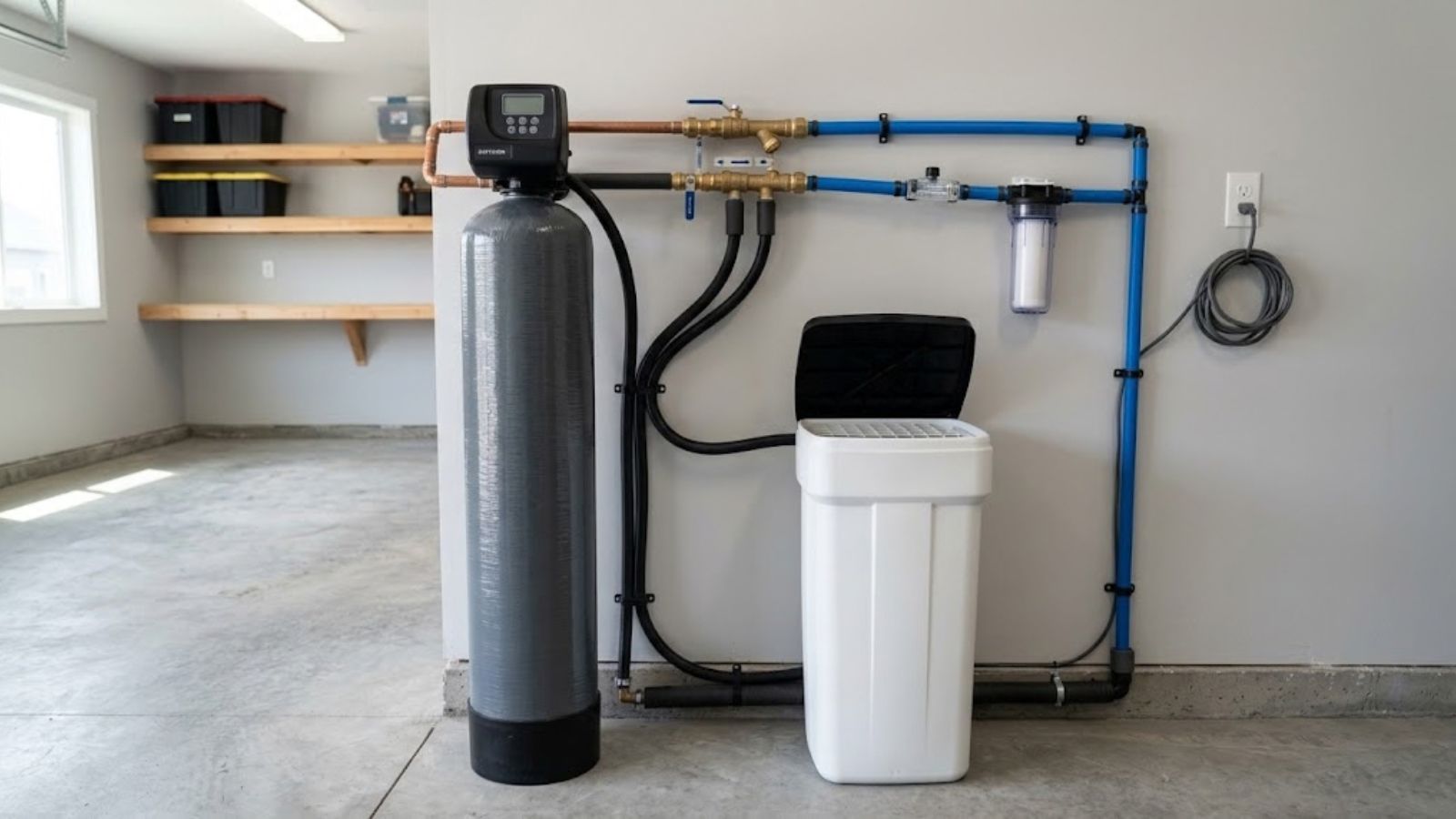
Softening and filtration solve different problems and are sometimes worth pairing. A softener addresses hardness, the calcium and magnesium that cause scale. A separate filtration system addresses taste, odor, and specific contaminants, which softening alone doesn't touch. If you're already investing in a whole-home softener, it's worth asking whether adding filtration at the same time makes sense for your household, rather than treating them as entirely separate future decisions.

Considering both? Call (480) 741-9332 to talk through options.

Sizing Mistakes We See Most Often

The most common sizing mistake isn't picking the wrong brand; it's a system sized off national-average hardness data rather than Queen Creek's actual number. The second most common is sizing for current household size without accounting for real usage patterns. A household with teenagers doing daily laundry uses meaningfully more water than the same number of people in a different life stage, and that affects how often a system needs to regenerate.

A brief conversation about your actual household, not just square footage or bedroom count, is what lets sizing account for both factors correctly rather than guessing from a generic formula.

What A Properly Sized System Protects

Beyond the obvious, less visible scale, a correctly sized softener extends the working life of your water heater, faucets, and fixtures, and reduces the soap and detergent needed for the same cleaning results. It also makes skin and hair feel noticeably different for a lot of households, a real quality-of-life change beyond the plumbing benefits. None of that happens with a system that's technically installed but undersized for what your water actually demands of it.

Ready for correct sizing? Call (480) 741-9332.

Installation: What To Expect

A whole-home softener typically installs where the main water line enters the house, before it branches out to the water heater and every fixture, so the treated water reaches everything downstream. Installation for a straightforward setup is usually completed in a single visit: connecting the unit, testing for leaks, and confirming the regeneration cycle. That cycle should be programmed for your household's actual usage and your water's real hardness level, not a default factory setting built for milder water elsewhere.

A Final Word On Getting This Right

A softener is a genuine, multi-year investment, and getting the sizing right the first time matters more than any other single decision in the process. If a quote you're comparing doesn't mention Queen Creek's actual hardness number anywhere in the conversation, that's worth asking about directly before you commit to anything.

Ready For A Real Sizing Recommendation?

Get a system actually sized for Queen Creek's water, not a national average.

☎ Call (480) 741-9332
Related Reading

More On This Topic

See water softener installation & repair for real sizing based on your household, or water heater repair if hard water has already left your water heater showing symptoms like popping or reduced hot water.

Questions

Frequently Asked Questions

Sizing is based on your household's daily water usage multiplied by your water's hardness in grains per gallon, which gives a daily grain capacity the softener needs to handle between regenerations. Using Queen Creek's real hardness, 20 to 30 GPG, rather than a national average is what makes the sizing accurate here.

For Queen Creek's hardness level, a salt-based ion-exchange softener genuinely removes hardness minerals and is the option that stops scale buildup at the source. Salt-free "conditioners" alter mineral behavior without removing hardness, which can help somewhat but doesn't address the underlying problem the way true softening does.

Installed cost varies by system size and household needs, but a correctly sized system for Queen Creek's water typically represents a real investment that pays for itself over years through extended water heater and fixture lifespan, reduced soap and detergent use, and fewer plumbing repairs.

A whole-home system treats water before it reaches any fixture, water heater, or appliance, which is what actually protects your plumbing. A point-of-use filter under one sink doesn't address hardness anywhere else in the house.

By the Queen Creek Apex Plumbing team · Published March 2026

Service Area

Queen Creek, AZ Plumbing Coverage

Call Now: (480) 741-9332 ☎