Queen Creek, AZ · Serving ZIP 85142 & 85140 Open 24/7 · (480) 741-9332
Why Is My Water Bill So High? Queen Creek Causes
The Direct Answer

Why Is My Water Bill So High? Queen Creek Causes

The most common causes, in order of how often we find them, are a running toilet, a leaking irrigation line, a dripping outdoor faucet, and a slab or underground leak. A running toilet alone can waste up to 200 gallons a day, and a small irrigation leak can waste around 6,300 gallons a month, either one enough to move your bill noticeably within a single cycle.

What To Do Before You Call A Plumber

  • ✓
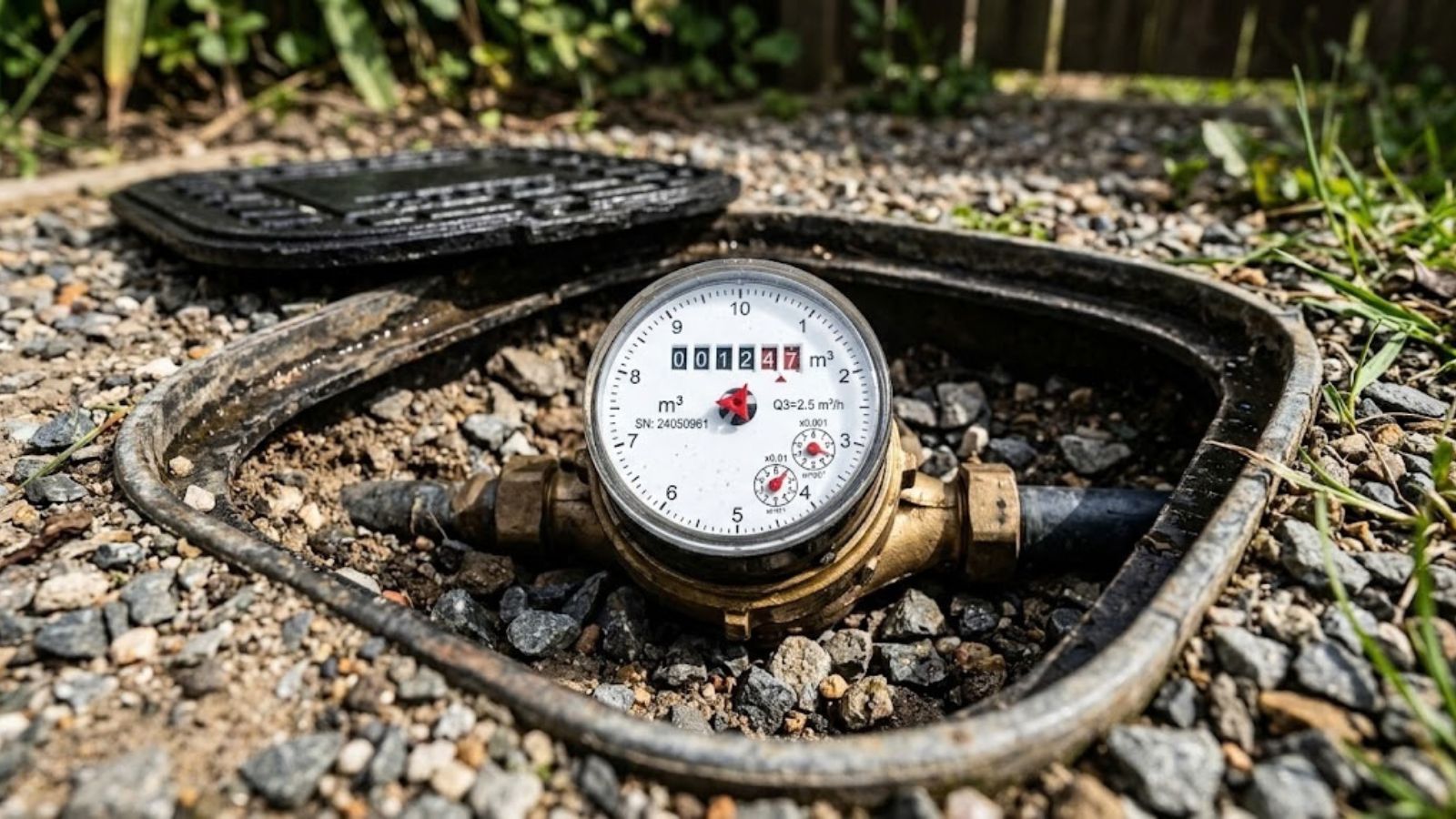
    Turn off every fixture, appliance, and irrigation zone, then watch your water meter for two hours. Any movement means an active leak somewhere.
  • ✓
    Check each toilet for a running or intermittently refilling tank; toilets account for about 45% of indoor water use, according to the American Water Works Association, making them the single most common cause of a bill spike.
  • ✓
    Walk your yard and check every hose bib, sprinkler head, and irrigation valve for visible wetness or pooling.
  • ✓
    Compare this bill to the same month last year, not just last month, since summer irrigation use naturally runs higher.
Most Common Causes

Ranked By How Often We See Them

CauseTypical Water WasteHow To Confirm It
Running toiletUp to 200 gal/dayListen for refill cycles; dye test the tank
Irrigation leakUp to 6,300 gal/monthInspect zones and valves for wet spots
Dripping faucet20+ gal/dayCheck indoor and outdoor faucets for drips
Slab or underground leakVaries, often largeMeter test with everything off; professional detection

Why Queen Creek Sees More Underground Causes

A rising bill with no obvious toilet or faucet cause points toward something underground more often here than in a lot of markets, because Queen Creek's caliche and clay soil genuinely shifts as it wets and dries, putting real stress on buried supply lines. That's different from a straightforward fixture leak; it usually means a professional detection visit rather than a DIY check is what actually finds the source.

The meter test still matters even in this scenario. If your meter keeps moving with every fixture and irrigation zone off, that confirms the leak is real and active, even before you know exactly where it is, and that's the information worth having before a detection appointment.

Meter still moving with everything off? Call (480) 741-9332.

Seasonal Spikes Vs. Real Leaks

Not every high bill is a leak. Queen Creek's hot summers push irrigation and pool top-off usage up significantly compared to winter months, and a bill that rises gradually alongside rising temperatures, then drops back down once the weather cools, is a normal seasonal pattern rather than a plumbing problem. The distinction that actually matters is whether the increase tracks with a change in usage or weather, or whether it shows up with no real explanation and keeps climbing regardless of season.

Comparing your current bill to the same month last year, rather than just last month, is the simplest way to separate a real seasonal pattern from something that's genuinely new.

What A Plumber Actually Checks

Beyond the basic meter test, a professional visit adds tools you don't have access to at home: acoustic leak detection equipment that can pinpoint a leak's location without guessing. Pressure testing isolates whether the leak is in the supply side, the irrigation system, or somewhere else in the property's plumbing. That's the difference between confirming a leak exists, which you can do yourself, and actually finding where it is so it can be fixed.

Ready for a real diagnosis? Call (480) 741-9332.

Reading Your Own Bill For Real Clues

Most water bills show usage broken down by month or billing cycle, and comparing several cycles side by side, not just the two most recent, often reveals a pattern a single bill won't show. A gradual, steady climb over several months points toward something developing slowly, like a growing slab leak or scale-related pressure loss triggering more frequent fixture use. A sudden jump between two otherwise similar bills points more toward a single new event, a new leak, a stuck irrigation valve, or a fixture that failed outright.

If your water provider offers a usage graph or historical comparison tool online, that's worth checking before you call anyone; it's free information that can narrow down what kind of problem you're actually dealing with.

Tracking Usage Going Forward

Once you've resolved a specific spike, keeping a rough monthly log of your bill going forward makes the next unusual jump much easier to catch early. You don't need anything elaborate, just noting the number each month is enough to build a baseline that makes deviations obvious rather than something you only notice months later when the total damage has already been done.

When A High Bill Isn't Actually A Plumbing Problem

Occasionally a high bill traces back to something outside your plumbing entirely, a meter reading error, a billing mistake, or a rate change you weren't aware of. Before assuming a leak, it's worth a quick call to your water provider to confirm the reading is accurate and reflects an estimate versus an actual meter check. That said, if your own meter test shows movement with everything off, that's real evidence independent of anything your provider tells you, and it's worth acting on regardless of what the bill itself says.

Confirmed a leak but not sure where? Call (480) 741-9332.

Ran The Meter Test And Still Not Sure?

We'll track down the actual source, whether it's a fixture or something underground.

☎ Call (480) 741-9332
Related Reading

More On This Topic

For a running toilet or dripping faucet, see toilet repair & installation or faucet & sink repair. If the meter test points underground, leak detection covers the professional next step, and slab leak detection & repair if it's coming from beneath the foundation specifically.

Questions

Frequently Asked Questions

Turn off every fixture and appliance that uses water, then watch your water meter. If it's still moving with everything off, you have an active leak somewhere in the system. If it only moves after you flush a toilet, that toilet is the likely culprit.

Yes. A running toilet with a bad flapper or fill valve can waste up to 200 gallons a day, which is enough to noticeably move a monthly bill within a single billing cycle.

That's actually the strongest signal it's a leak. A bill that rises with no real change in how your household uses water, no extra guests, no new landscaping, no pool top-offs, points toward something wasting water on its own, independent of your habits.

Yes, it's one of the more common underground causes we find here specifically, tied to the caliche and clay soil that shifts and stresses buried lines. A slab leak often shows up as a rising bill before it shows up as any visible sign.

By the Queen Creek Apex Plumbing team · Published March 2026

Service Area

Queen Creek, AZ Plumbing Coverage

Call Now: (480) 741-9332 ☎